

Lithuanian Designer Earns International Recognition – Baltic Pavilion “Expo 2025 Osaka” Guides’ Uniforms Named the Best
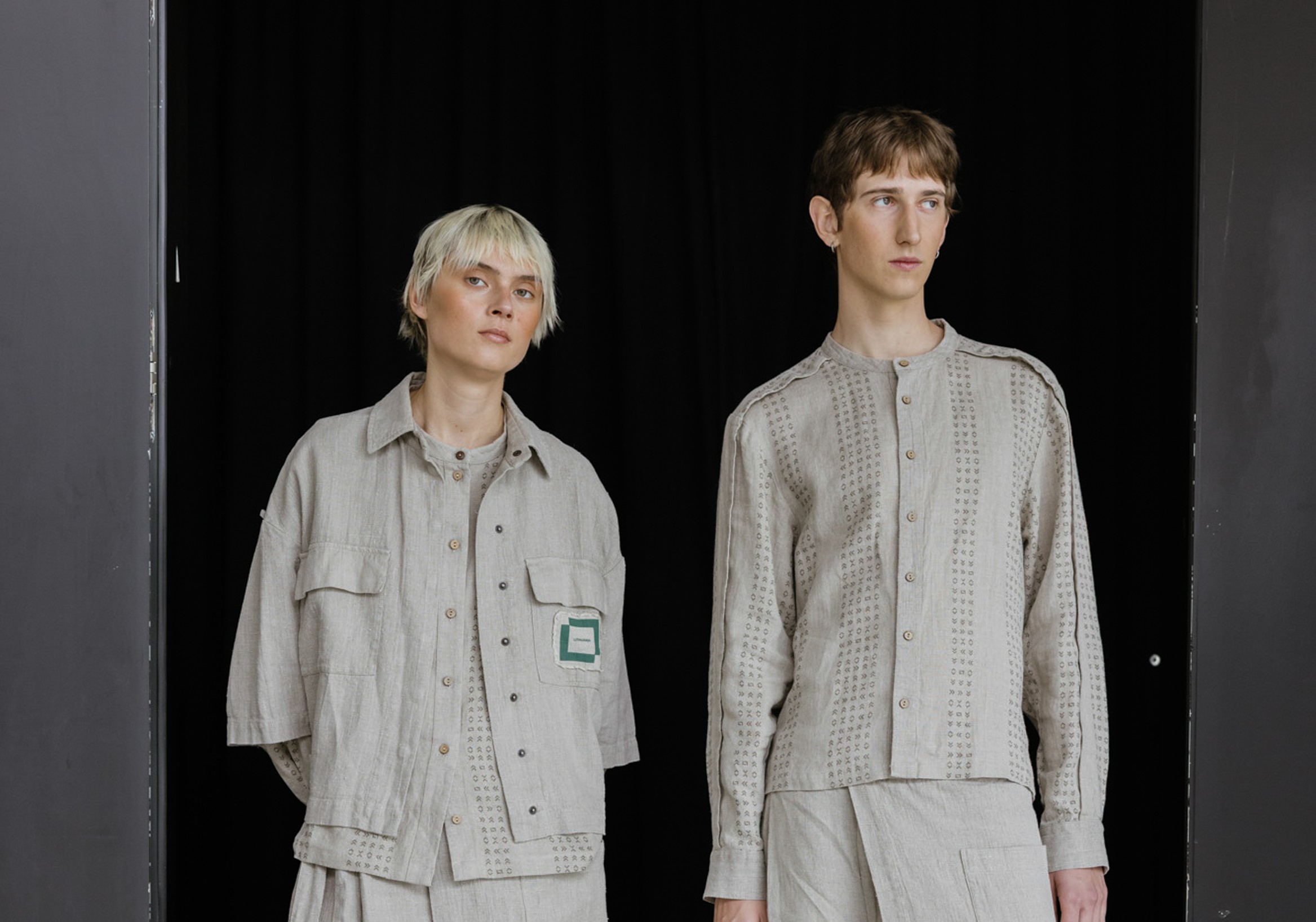
At the world exhibition “Expo 2025 Osaka”, a Lithuanian designer received special recognition – the guides’ uniforms of the Baltic Pavilion were awarded the title of “Best Staff Uniforms” in the prestigious Exhibitor Magazine competition.
The awards are organised by Exhibitor Magazine, an international publication that has been active for more than four decades and annually honours the most outstanding achievements in exhibition architecture, design, and communication. These awards recognise not only exceptional pavilions but also the details that help create a unique visitor experience.
Inspired by the Slogan “We Are One”
The clothing collection was inspired by the Baltic Pavilion’s motto, We Are One. According to Lithuanian designer Gabrielė Januškevičiūtė, who created the uniforms for both Lithuanian and Latvian guides, these garments represent not only clothing but also a symbolic story about the Baltic region’s bond with nature, respect for tradition, innovation, and the courage to shape the future through collaboration.
“The slogan inspired me to choose the concept and fabric – natural-coloured linen typical of the Baltic region. The collection includes eight different linen garments that guides can mix and match depending on the weather and their mood. This capsule system allows each staff member to look distinct while maintaining the pavilion’s overall identity,” said the designer.
A Sign of Unity, Individuality, and Respect for Tradition – the Apron
Although made from traditional fabric, the guides’ uniforms feature a modern, functional design. Some garments are adorned with patterns inspired by Baltic symbols and calligraphic Japanese characters, inviting the first connection and dialogue. The designer notes that the concept aimed to reflect not only unity but also the harmony of diversity, making the uniforms not just a matter of style but also part of a cultural dialogue – an invitation to experience togetherness.
“Lithuania and Latvia work as one team within the pavilion, yet they represent two different countries. I wanted to show that although we are united and share a similar history, we are also unique and distinct nations. I expressed this idea by allowing the guides to demonstrate their individuality and represent each country through different outfit combinations. The Baltic Pavilion guides’ attire is not a rigid uniform, which means each guide can express their personality and look unique,” said Januškevičiūtė.
Interestingly, one of the clothing elements chosen was the apron – a garment deeply rooted in both Lithuanian and Latvian traditions. “The apron conveys a special message to all visitors – that Latvians and Lithuanians are ready to collaborate,” the designer emphasised.
Admired by a Million Exhibition Visitors
Exhibitor Magazine experts highlighted that the Baltic Pavilion guides’ uniforms are an excellent example of how design can serve as a medium of communication connecting nations, cultures, and visitors.
“This award is not only recognition for the designer but also an honour for the Baltic Pavilion and the Baltic States – Lithuania and Latvia – which together presented their culture, traditions, and contemporary creativity in Osaka,” said Marius Gurskas, Deputy General Commissioner of Lithuania at “Expo 2025 Osaka”.
According to the Office of the Government, the Lithuanian and Latvian Pavilion at “Expo 2025 Osaka” was visited by nearly one million guests. More than 400,000 trees were planted virtually and will later be physically planted by foresters in Lithuania’s forests, while each guide working at the exhibition has already introduced Lithuania and Latvia to tens or even hundreds of thousands of people.
The six-month-long world exhibition in Japan featured various events presenting Lithuania’s culture, business, and national identity. Lithuania showcased innovative solutions aimed at finding balance between technology, humanity, and nature. The Baltic Pavilion was also recognised by the International Design Association – winning second place in the “People’s Choice” category, while the pavilion’s mascot, the boletus Barabi-chan, was ranked among the top five mascots of the exhibition.
The exhibition brought together 160 countries and 7 international organisations, attracting more than 25 million visitors over six months.