

Vice-President of the European Parliament Visits the National Crisis Management Centre
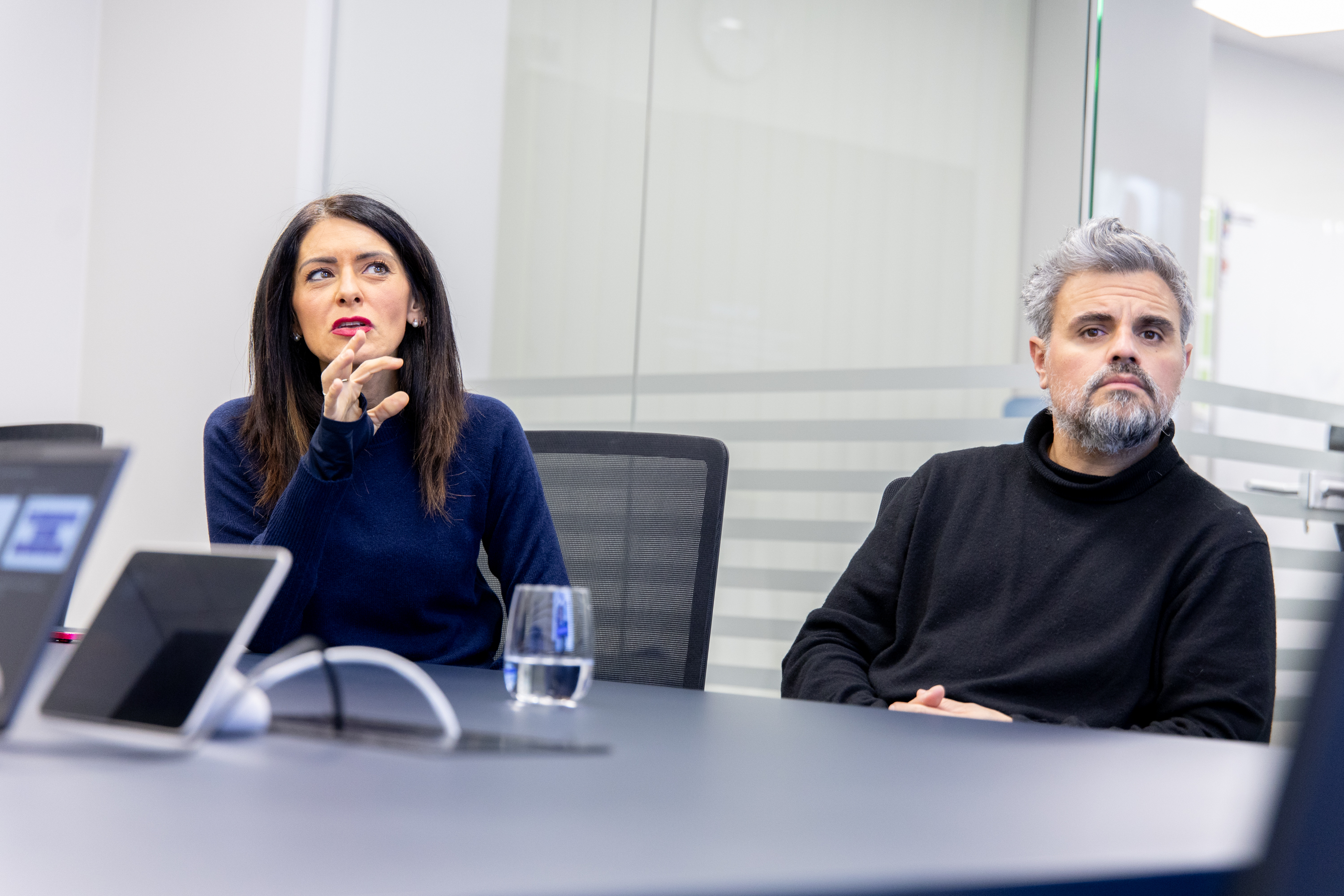
On Monday, the Vice-President of the European Parliament, Giuseppina (Pina) Picierno, and Massimiliano Coccia, a journalist from the Italian publication “Linkiesta”, visited the National Crisis Management Centre (NKMC) of the Office of the Government. The guests met with the Head of the NKMC, Vilmantas Vitkauskas, who presented Lithuania’s crisis management system, the activities of the Centre, and the main challenges facing Lithuania in the field of national security.
During the visit, particular attention was paid to the Republic of Lithuania Civil Protection Law, which the Vice-President of the European Parliament described as a potential model of best practice for other European Union Member States. Incident management mechanisms, their typology, and response principles were also discussed. The guests were interested in how the security situation in Lithuania is assessed, how regional tension is measured, and what measures are applied in response to threats from Russia and Belarus.
In discussing hybrid threats, significant attention was devoted to the actions of Russia and Belarus, ranging from disinformation campaigns to provocations against civil aviation, including the so-called “balloon attacks”, which were carried out not only for smuggling purposes but were also deliberately released towards airports. The detention of vehicles belonging to Lithuanian transport operators and their use as a means of political pressure were also mentioned. The Vice-President of the European Parliament stressed that these constitute clear hybrid attacks, sending messages not only to Lithuania but to the entire European Union.
Giuseppina Picierno highlighted the importance of the experience of the Baltic States, particularly in countering Russian disinformation, and called for these practices to be more actively transferred to the work of EU institutions and other countries. The guests also praised Lithuania for the decisive measures taken to strengthen the protection of the border with Belarus, which, in their view, act as a significant deterrent.